
Exploring the psychology behind casino gambling What drives the thrill
The Allure of the Unknown
The excitement of casino gambling often begins with the allure of the unknown. Players are drawn to the unpredictable nature of games of chance, where the outcome is uncertain. This unpredictability stimulates the brain’s reward system, releasing neurotransmitters such as dopamine, which creates feelings of pleasure and excitement. The thrill of placing a bet, not knowing whether it will lead to loss or gain, can make activities like online pokies incredibly tempting and addictive.
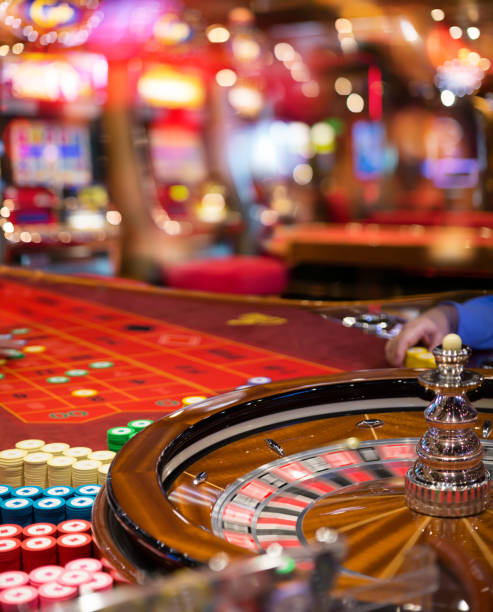
Furthermore, the design of casinos enhances this allure. Bright lights, enticing sounds, and the ambiance of excitement combine to create an environment that heightens emotional responses. Gamblers find themselves enveloped in an atmosphere that encourages risk-taking and spontaneity, which feeds into the psychological drive to chase thrills.
The Role of Cognitive Biases
Cognitive biases play a pivotal role in the psychology of gambling. Many players fall victim to the gambler’s fallacy, the misconception that past events can influence future outcomes in random games. For instance, someone might believe that if a particular slot machine hasn’t paid out in a while, it’s “due” for a win. This false belief can lead to prolonged play and increased betting, driven by the desire to recover losses or achieve a perceived just reward.
In addition, the near-miss effect is another cognitive bias affecting gamblers. When players come close to winning but ultimately lose, they often feel a surge of motivation to continue playing. This sensation can be more compelling than a direct win, encouraging players to bet more in hopes of eventually hitting that elusive jackpot.
The Social Connection
Another layer of the psychology behind casino gambling is the social aspect. Casinos serve as social hubs where individuals connect over shared experiences. Gambling often involves elements of competition, whether against others or oneself, creating bonds among players. This social interaction can enhance enjoyment and lead to longer gambling sessions, as individuals seek not just monetary gain but also companionship and fun.
Moreover, many people gamble as a form of entertainment, attending casinos with friends or loved ones. The shared thrill of winning, or the collective groan of losses, cultivates a communal atmosphere. This social dynamic can make gambling even more enticing, as the experience transcends mere financial stakes and becomes a memorable event.
Managing Addiction and Risk
Understanding the thrill of casino gambling is also crucial for managing the risks associated with it. While many engage in gambling responsibly, the potential for addiction looms large. Recognizing the signs of problematic gambling behavior is essential for players who may be entering dangerous territory. Education on responsible gambling practices can mitigate the negative consequences of excessive play.
Moreover, casinos themselves have begun implementing measures to promote responsible gambling. Providing information on limits, offering self-exclusion programs, and creating an environment that encourages awareness can help players navigate their experiences safely. It’s essential for both individuals and establishments to recognize the delicate balance between thrill-seeking and responsible gaming.
Discovering Innovation in Gambling Experiences
At MostInnovative.com.au, we celebrate groundbreaking ideas and innovative solutions that enhance experiences across industries, including the world of gambling. By exploring advancements in technology and customer engagement, we hope to inspire a deeper understanding of the gambling landscape. Our platform encourages creative thinking about how to combine entertainment with responsible practices.
Join us as we delve into the future of innovation in gambling experiences. From exploring new gaming technologies to promoting responsible gaming practices, we are committed to fostering a thriving community that values enjoyment and creativity while being mindful of the psychological aspects that drive individuals to gamble.